31

min
  • soups

Backpropagation Bouillabaisse

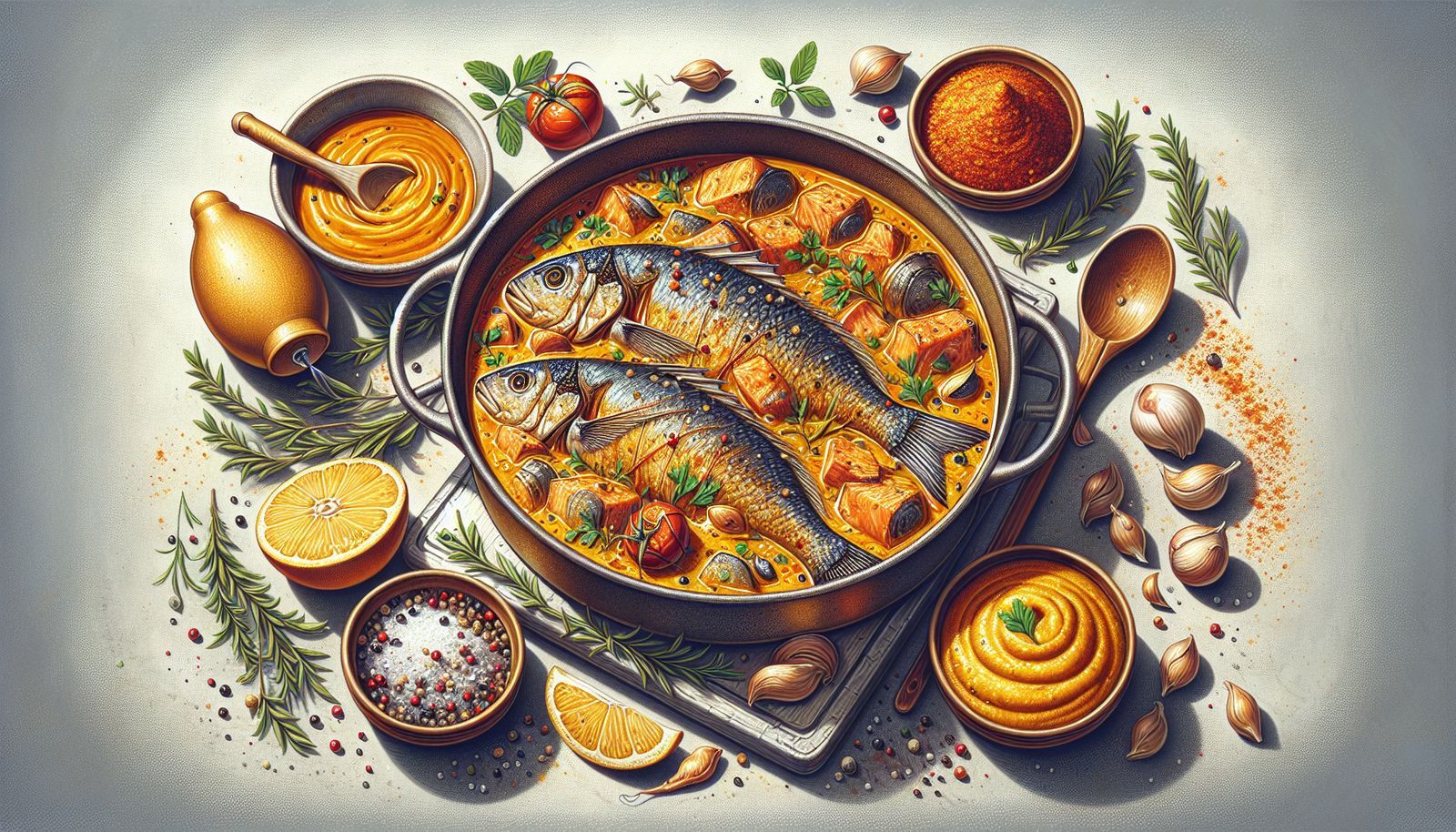
Backpropagation Bouillabaisse is a modern twist on the traditional Provençal fish stew, elevating this classic dish with a rich saffron broth and a dash of culinary innovation. Inspired by the intricate processes of machine learning, where backpropagation fine-tunes neural networks, this recipe meticulously layers flavors and techniques to create a harmonious and complex dish. Each element of the bouillabaisse is carefully crafted, ensuring that every bite is a revelation of taste and texture.

  • SERVES
    4 people
  • PREP TIME
    30 minutes
  • Cook TIME
    1 hour
Ingredients
  • 1 lb firm white fish (such as cod or halibut), cut into chunks
  • 1 lb mussels, cleaned and debearded
  • 1 lb shrimp, peeled and deveined
  • 1 onion, finely chopped
  • 2 leeks, white part only, sliced
  • 3 cloves garlic, minced
  • 2 ripe tomatoes, diced
  • 1/2 cup dry white wine
  • 4 cups fish stock
  • 1/4 teaspoon saffron threads
  • 1 tablespoon tomato paste
  • 1 teaspoon fennel seeds
  • 1 teaspoon smoked paprika
  • Salt and pepper to taste
  • Fresh basil and parsley for garnish
  • 1 loaf of crusty bread, for serving

Rouille:

  • 1/2 cup mayonnaise
  • 1 clove garlic, minced
  • 1/4 teaspoon cayenne pepper
  • Zest of 1 lemon
  • 1 tablespoon lemon juice
  • Salt to taste
Directions
  1. In a large pot, heat a splash of olive oil over medium heat. Add the chopped onion, leeks, and garlic, sautéing until softened and fragrant, about 5 minutes.
  2. Stir in the diced tomatoes, tomato paste, and fennel seeds; cook for another 3-4 minutes until the tomatoes break down.
  3. Pour in the white wine, scraping up any browned bits from the bottom of the pot. Allow it to reduce by half.
  4. Add the fish stock and saffron threads, bringing the mixture to a gentle simmer. Season with smoked paprika, salt, and pepper.
  5. After about 10 minutes of simmering, carefully add the chunks of white fish to the pot, followed by the mussels and shrimp. Cook for an additional 5-7 minutes until the seafood is cooked through and the mussels have opened.
  6. While the stew simmers, prepare the rouille. In a small bowl, combine the mayonnaise, minced garlic, cayenne pepper, lemon zest, lemon juice, and salt. Mix well and set aside.
  7. Serve the bouillabaisse hot, garnished with fresh basil and parsley, alongside slices of crusty bread and a generous dollop of rouille.

Bouillabaisse, the classic fish stew of Provence, has been a staple of Mediterranean cuisine for centuries, traditionally made with the catch of the day and flavored with aromatic herbs and spices. This version, Backpropagation Bouillabaisse, takes the essence of the original and enhances it with a modern twist. The infusion of saffron provides a luxurious depth, while the smoked paprika adds a subtle smokiness that complements the sweetness of the seafood.

One of the inspirations behind this recipe stems from the delicate balance required in both cooking and machine learning. Just as backpropagation fine-tunes the output of neural networks, this bouillabaisse fine-tunes the flavors by layering ingredients and allowing them to marry beautifully in the pot. The result is a dish that speaks to the heart of Provençal cooking while embracing contemporary culinary techniques.

In crafting this stew, I opted for a combination of white fish, mussels, and shrimp, which not only adds a variety of textures but also showcases a mosaic of flavors from the sea. The rouille, a popular accompaniment, adds a creamy, garlicky element that elevates the dish to new heights, ensuring that every bite is rich and satisfying.

By embracing the spirit of culinary innovation while honoring traditional roots, Backpropagation Bouillabaisse stands out as an exceptional dish that is sure to impress at any gathering. Enjoy this delightful stew with a glass of crisp white wine, and savor the layers of flavor that unfold with each spoonful!